Product Description
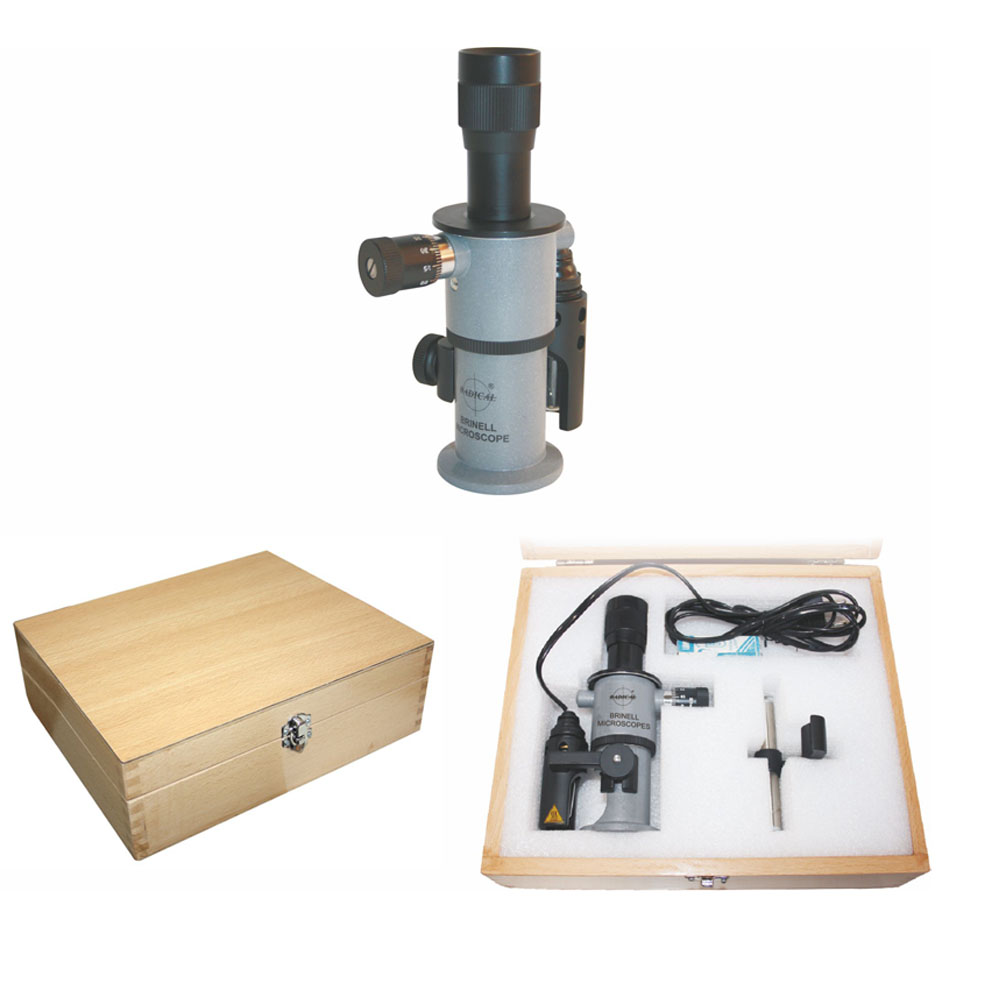
Brinell Microscope RBM-55
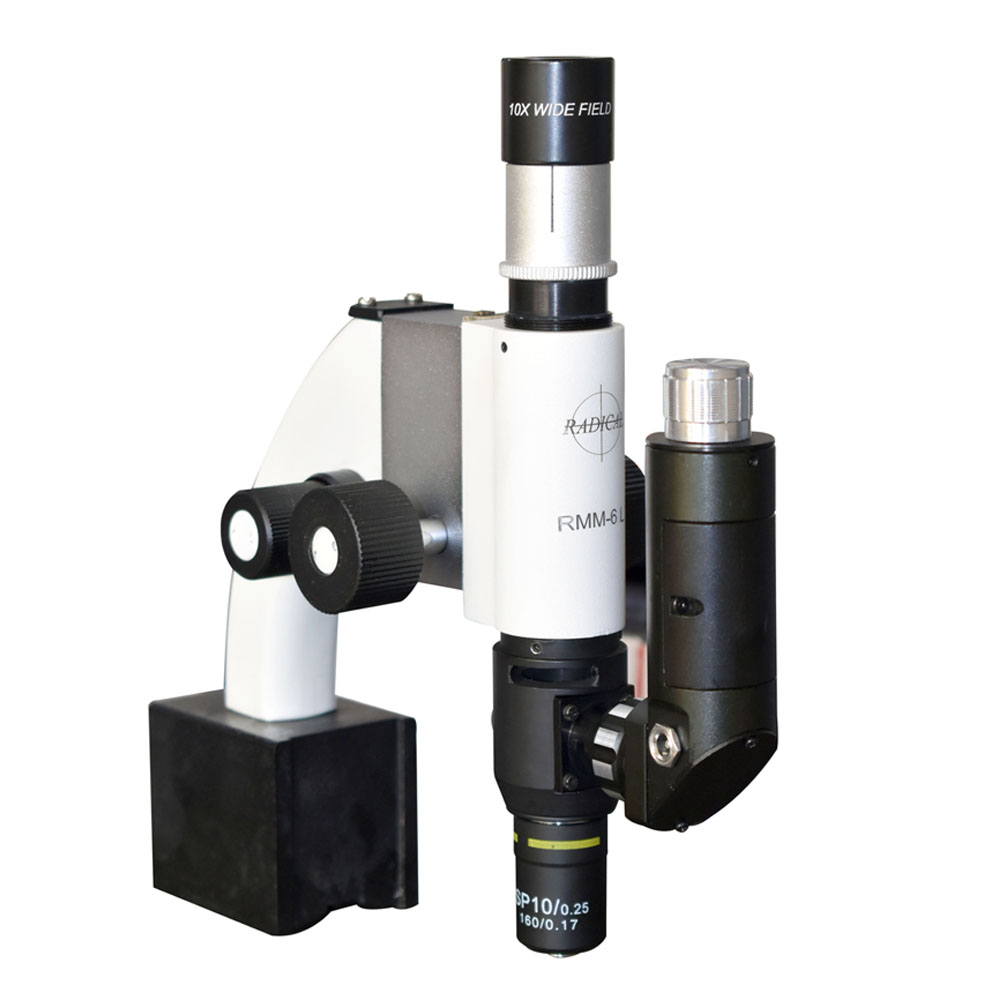
Evaluation of the spherical indentations formed by the Brinell hardness test requires a microscope with a measuring length of 6mm. and least count graduations of 0.01 mm. The Brinell hardness measuring microscope from RADICAL offers precisely these features.
Our Brinell Microscope RBM-55 is a compact, yet durable instrument, making it suitable for linear measurement in the field and laboratory. This instrument makes accurate measurements of the indentations for all Brinell type hardness testers.
This microscope is designed to measure easily the Brinell hardness value of different ferrous and non-ferrous metals including crude or annealed steel, non austenitic steel only, quenched and tempered steel,
non austenitic steel only, cast iron, brass casting, rolled brass, rolled cooper, alloy of tin and bronze and casting of aluminum alloy.
It can determine the Brinell hardness by measuring the diameters of the indentations left on the test piece and the standard hardness test block. The indentations are obtained by the steel ball of the tester located between the piece and test block. The Brinell value can be obtained by referring the Conversion Table after measuring the indentations by the readout microscope. These are widely used in shop, material supplier, plant and quality control due to lightweight, easy operation and convenience.
Specimen/Graticule can be sharp focus by rotation the Microscope Eyepiece. The microscope tube can be rotated upto 40 to align the specimen with the scale. Graduated micrometer drum is having graduations
0 to 50, each Division/Least Count = 0.01mm.
The stage micrometer can be used to check and insure that the Brinell Microscope is correctly calibrated.
Technical Specifications :
Magnification : 20x
Reticle scale length : 7.00mm.
Least Count : 0.01mm.
Field of View : 6.00mm.
Weight : 1.500 Kg.
Illumination : Cordless LED &
220 Volt Tungsten
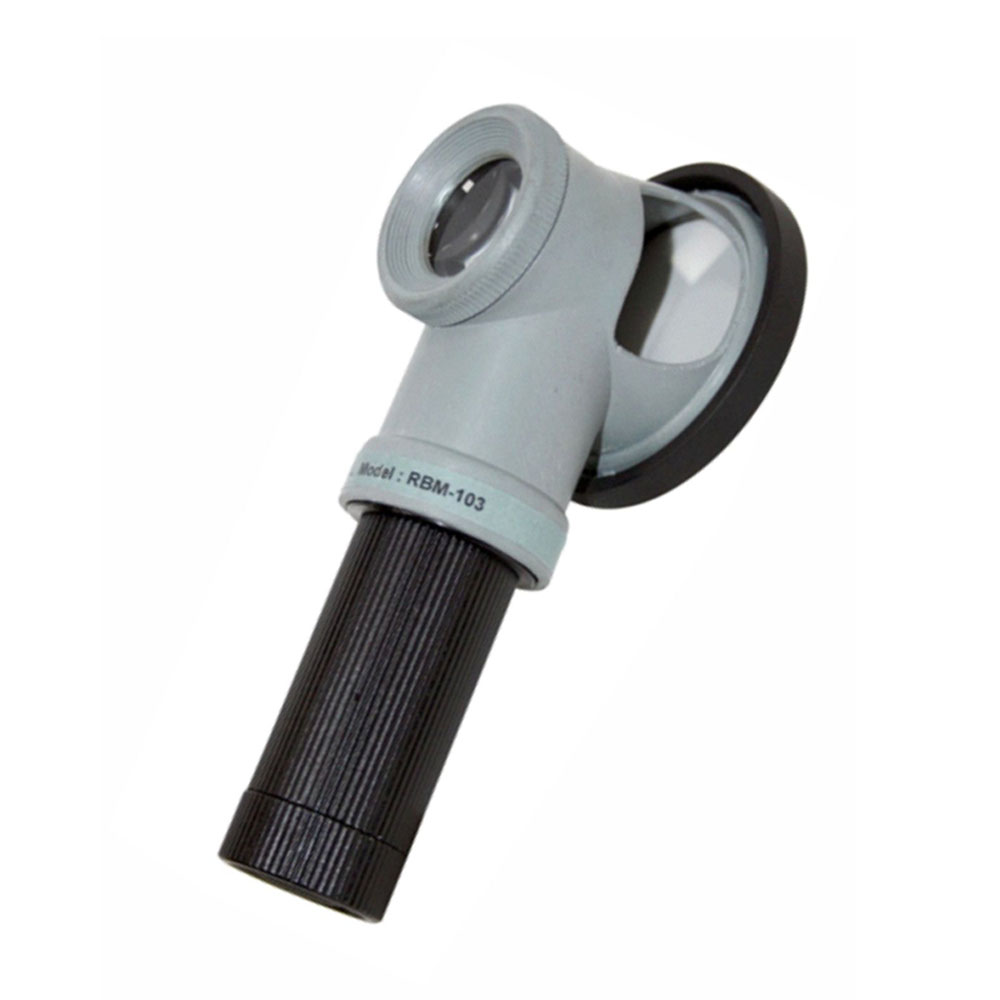
Advanced Placido Disk Reflection TheoryThe RBM-55 microscope utilizes Placido disk-based reflection to analyze corneal topography non-invasively. This method reflects concentric rings onto the corneal surface, capturing detailed curvature data and power maps for comprehensive ocular assessment.
High-Resolution Optics for Accurate MeasurementsWith a precision plano-convex lens crafted from MS material, this microscope achieves high-quality imaging and accurate measurement of corneal features. The non-contact approach minimizes patient discomfort and reduces contamination risk during the examination.
FAQ's of Brinell Microscope RBM-55:
Q: How does the Brinell Microscope RBM-55 measure corneal curvature?
A: The RBM-55 employs the Placido disk reflection method, projecting concentric rings onto the corneal surface and capturing reflected patterns. This data allows precise assessment of corneal curvature, height, and power map without any physical contact.
Q: What are the main benefits of using a non-contact corneal surface analysis microscope?
A: Non-contact analysis, as offered by the RBM-55, eliminates potential infection risks and physical discomfort, ensuring safer and more hygienic procedures for both patients and clinicians.
Q: When is the Brinell Microscope RBM-55 most commonly used in ophthalmology?
A: This microscope is typically used during preoperative assessments for refractive surgery, routine eye exams, and monitoring corneal health, offering valuable insights into corneal structure and abnormalities.
Q: Where can I purchase the Brinell Microscope RBM-55 in India?
A: You can acquire the RBM-55 through authorized distributors, exporters, manufacturers, suppliers, and wholesalers across India. Contact local medical equipment vendors for specific availability.
Q: What is the practical application process of the RBM-55 microscope?
A: To use the RBM-55, position the patient so the microscope's lens aligns with the eye, activate the device, and allow it to project the Placido disk rings onto the cornea. The reflected image is then analyzed to generate corneal curvature and power maps.
Q: How does the high-resolution plano-convex lens enhance the accuracy of measurements?
A: The specialized plano-convex lens made from MS material provides sharp, detailed imaging, which enhances the reliability of corneal measurement for diagnostic and research purposes.



 English
 Spanish
 French
 German
 Italian
 Chinese (Simplified)
 Japanese
 Korean
 Arabic
 Portuguese
 08045479132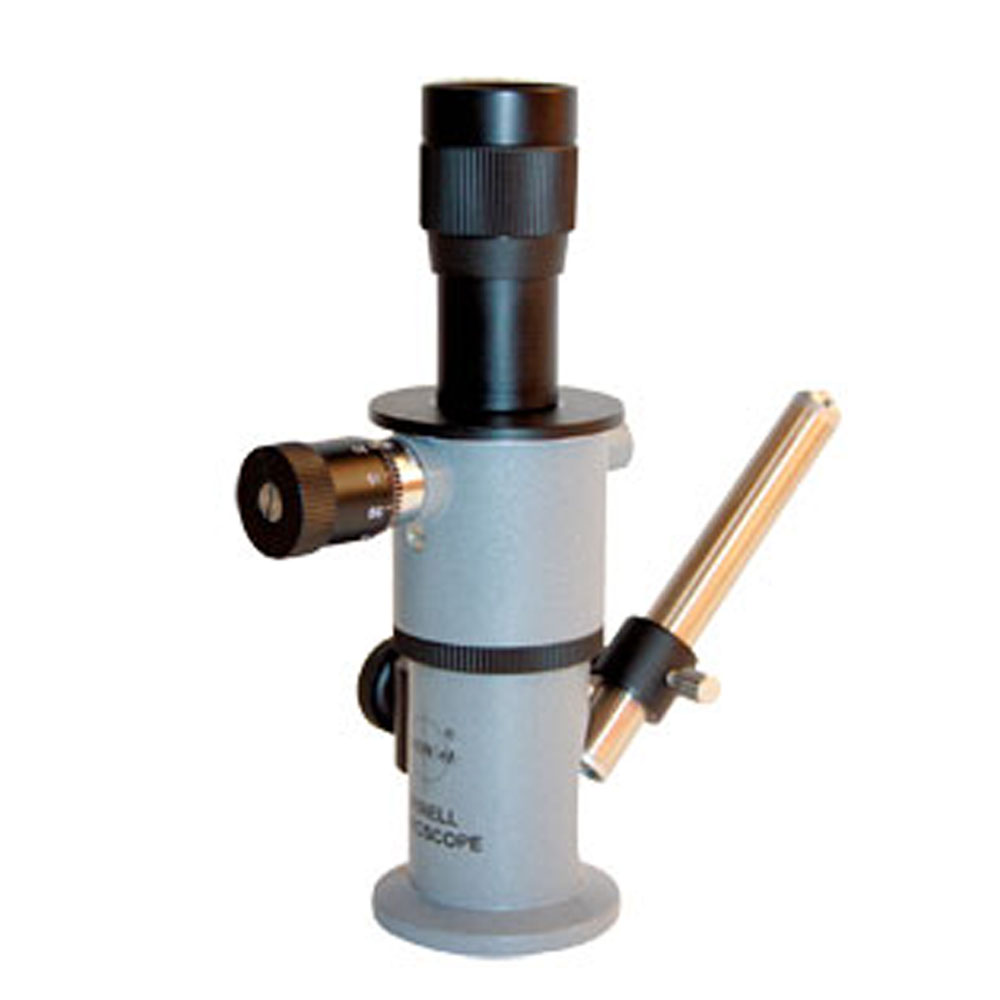



 Send Inquiry

 Send Inquiry
 Send SMS
