Product Description
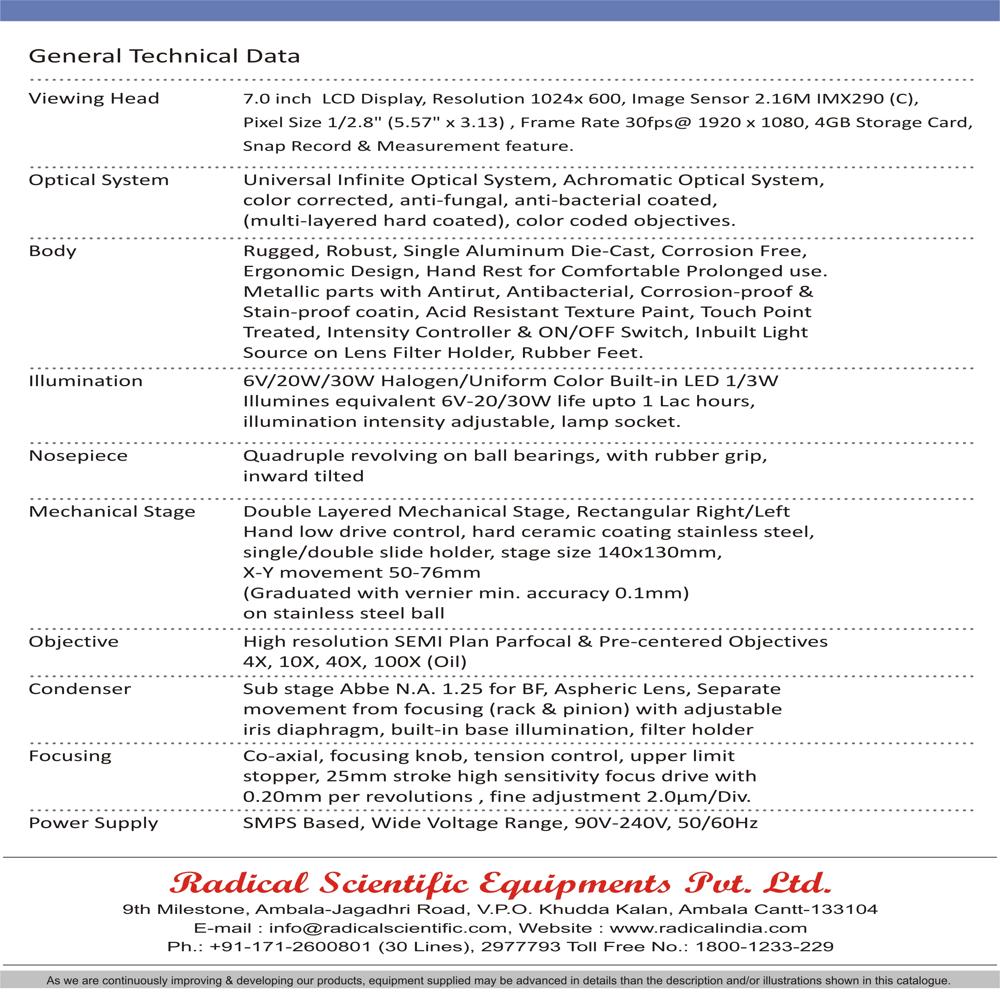
General Technical Data :
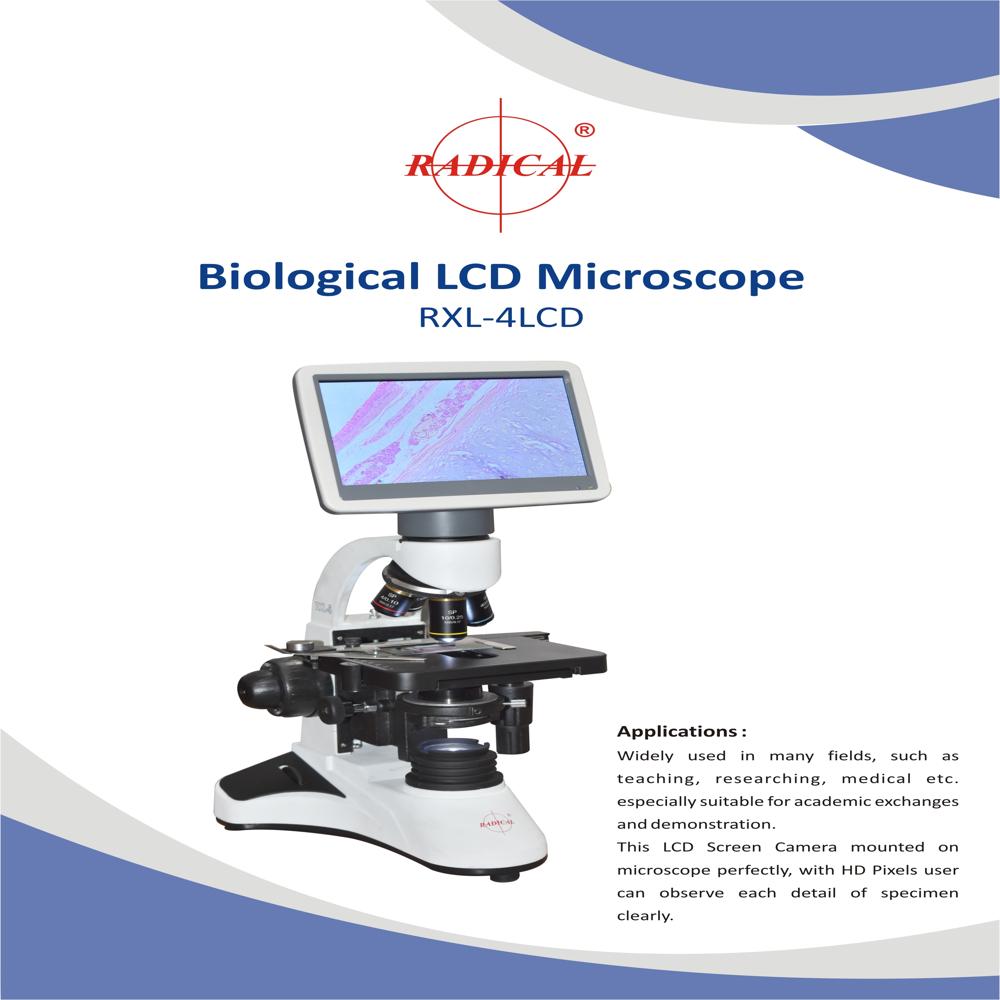
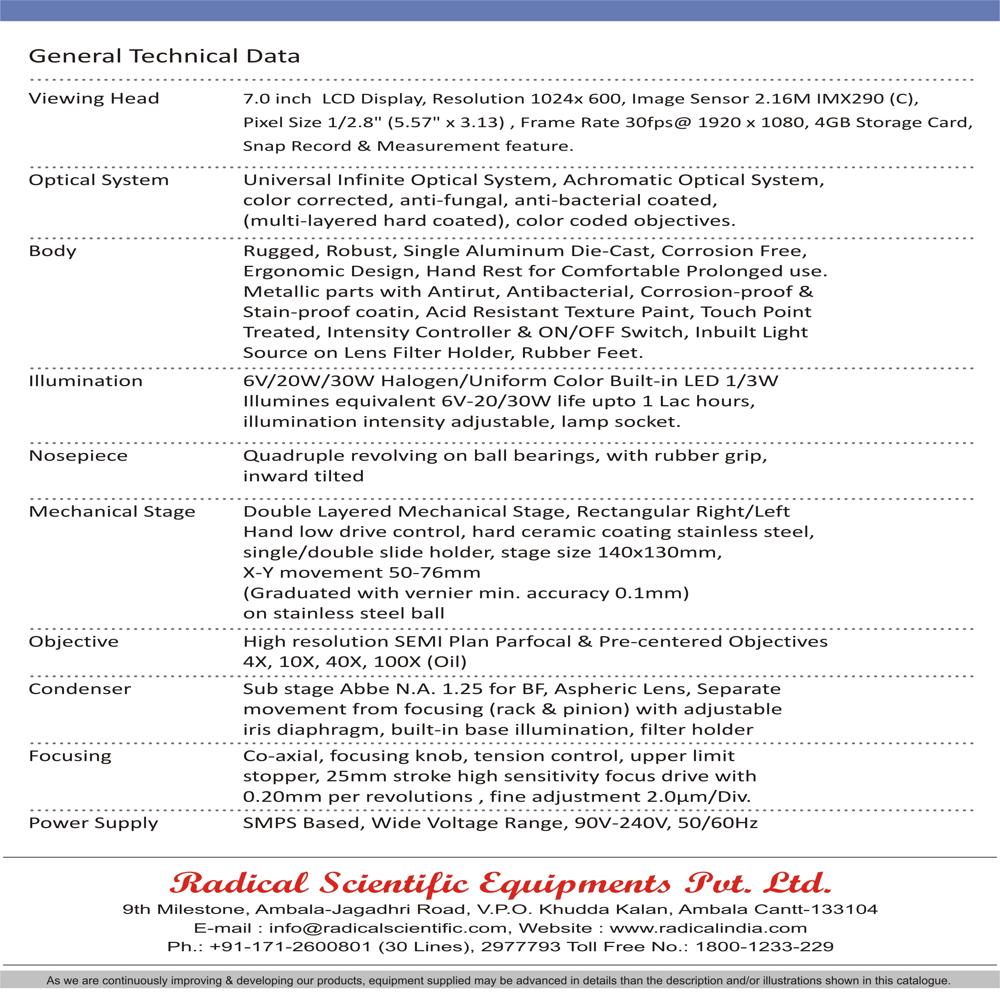
Viewing Head : 7.0 inch LCD Display, Resolution1024x600, Image Sensor 2.16M IMX290 , Pixel Size 1/ 2.8 (5.57x 3.13), Frame Rate 30fps @1920 x 1080, 4GB Storage Card, Snap Record &Measurement Feature.
Optical System : Universal Infinite Optical System,Achromatic Optical System, color corrected , anti- fungal, anti-bacterial coated, (multi-layered hard coated), color coded objectives.
Body :Rugged, Robust, Single Aluminum Die-cast, Corrosion Free, Ergonomic Design, Hand Rest for ComfortableProlonged use. Metallicparts with Antirut, Antibacterial, Corrosion proof & Stain Proof coatin, Acid Resistant Texture Paint, Touch Paint Treated,Intensity Controller & ON /OFF Switch, Inbuilt Light Sourceon Lens Filter Holder, Rubber Feet.
Illumination :6V/20W/30W Halogen / Unifrom Color Built-in LED 1/3W Illumines equivalent 6V-20/30W life upto 1lac hours, illumination intensity adjustable, lampsocket.
Nosepiece :Quadruple revolving o ball bearings, with rubber grip inward tilted
Mechanical Stage : Double Layered Mechanical Stage,Rectangular Right/ Left Hand low drive control, hard ceramiccoating stainless steel, single/ double slide holder, stage size 140x 130mm, X-Y movement 50-76mm ( Graduated with vernier min. accuracy 0.1mm) on stainless steel ball.
Objective : High resolution SEMI Plan Parfocal &Pre-centered objectives 4x, 10x, 40x, 100x (oil )
Condenser : Sub stage Abbe N.A. 1.25 for BF, AsphericLens, Separate movement from focusing ( rack &pinion) with adjustable iris diaphragm , built in baseillumination, filter holder
Focusing : Co-axial, focusing knob, tension control, upper limit stopper, 25mm stroke high sensitivityfocus drive with 0.20mm per revolutions, fine adjustment2.0 um / div.
Power Supply : SMPS Based, Wide Voltage Range ,90V-240V, 50/60Hz
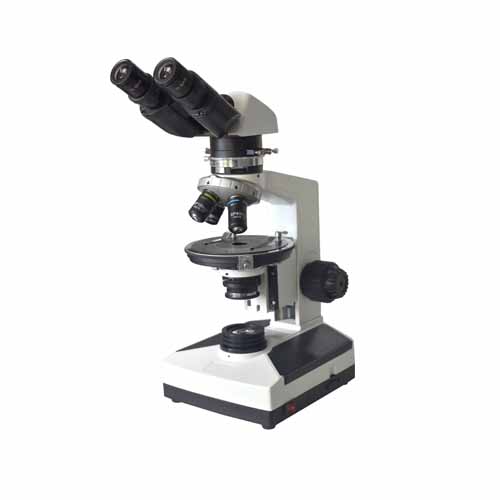
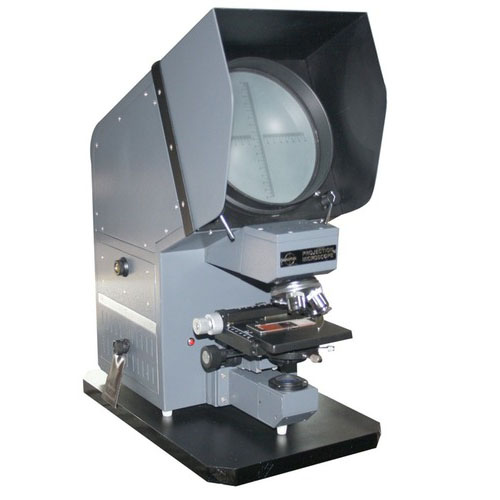
Precision and Reliability for Metallurgical LabsThe RXL-4LCD Biological LCD Microscope is engineered for meticulous sample polishing in metallurgical laboratories. Its semi-automatic functionality and sturdy casting construction guarantee dependable results, while the modern off-white design adds a touch of sophistication to your workspace.
Convenient Automatic OperationThis microscope is designed for ease of use, featuring an automatic operational method. Just set your sample and let the RXL-4LCD do the rest, reducing manual effort and improving productivity during routine lab tasks.
FAQ's of Biological LCD Microscope RXL-4LCD:
Q: How does the RXL-4LCD Biological LCD Microscope benefit metallurgical laboratories?
A: The RXL-4LCD streamlines sample polishing processes with its semi-automatic features, ensuring accuracy and consistency. Its sturdy construction and automatic operation save time and improve workflow efficiency in metallurgical labs.
Q: What are the main features of this microscope?
A: Key features include a table top design, semi-automatic operation, 220V power, 24W voltage consumption, a 50 kg casting body, and a user-friendly LCD interface, making it ideal for metallurgical applications.
Q: When should I utilize the RXL-4LCD for my laboratory processes?
A: You should use the RXL-4LCD whenever precise sample polishing is required, especially during quality assessment or metallurgical analysis to obtain refined and accurate specimen surfaces.
Q: Where is the RXL-4LCD most effectively used?
A: The RXL-4LCD is most effectively deployed in metallurgical laboratories, materials research facilities, and educational institutions in India that conduct frequent sample polishing and analysis.
Q: What is the process for operating the RXL-4LCD microscope?
A: Operation is mostly automatic: prepare your sample, position it on the platform, select polishing parameters via the LCD interface, and allow the semi-auto system to manage the procedure.
Q: How does the casting material enhance the microscope's performance?
A: The robust casting ensures durability and stability during operation, reducing vibrations and extending equipment longevity, which is crucial for achieving repeatable, high-quality laboratory results.
Q: What advantages does the semi-automatic function offer?
A: The semi-automatic function reduces manual labor, minimizes user error, and increases the uniformity of sample finishing, resulting in reliable and reproducible outcomes for laboratory users.



 English
 Spanish
 French
 German
 Italian
 Chinese (Simplified)
 Japanese
 Korean
 Arabic
 Portuguese
 08045479132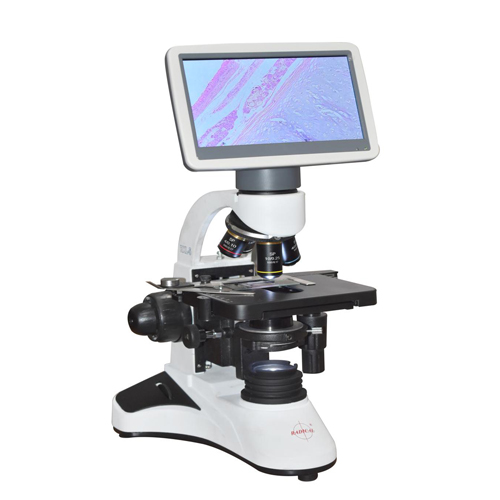




 Send Inquiry

 Send Inquiry
 Send SMS
 Call Me Free
